AI Agents vs. Chatbots for Dental Booking Automation
Choosing between an AI agent and a chatbot for dental clinic booking depends on integration needs with CRM, desired automation depth, and budget. AI agents offer proactive, sophisticated automation and seamless CRM synchronization, while chatbots provide effective rule-based responses for simpler tasks. Both enhance patient experience and operational efficiency.
An AI agent is an advanced software system capable of understanding, learning, and executing complex tasks autonomously, often interacting with multiple systems and data sources to achieve specific goals.
What is an AI agent for dental clinics, and how does it work?
An AI agent for dental clinics is a sophisticated AI system designed to handle a broad spectrum of administrative and patient interaction tasks autonomously. Unlike traditional chatbots, AI agents can proactively manage patient communications, schedule appointments, verify insurance eligibility, and conduct follow-ups without constant human intervention.
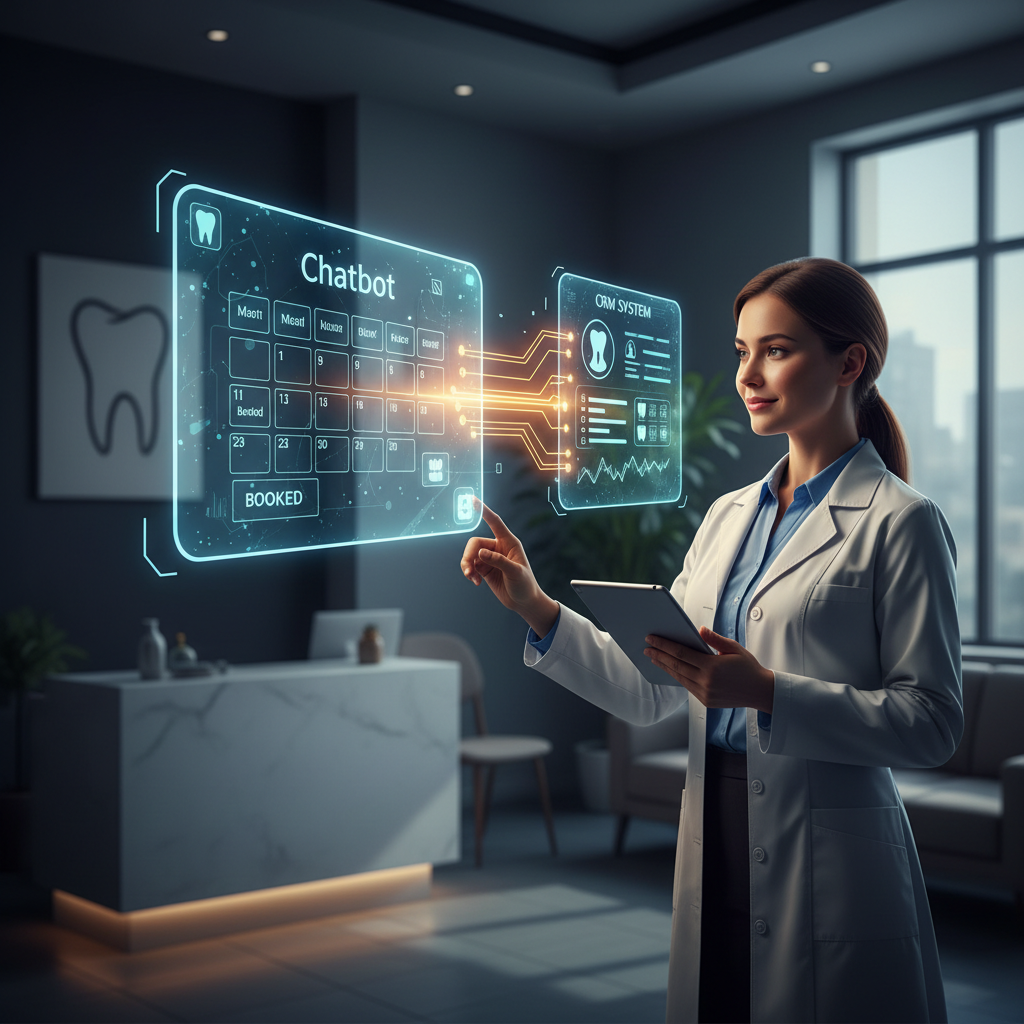
These agents integrate deeply with existing dental practice management systems (PMS) and Customer Relationship Management (CRM) platforms. They access patient data, update schedules, and record interactions directly, ensuring real-time data accuracy and consistency. For example, an AI agent can automatically contact patients for recalls, manage no-shows, and handle eligibility checks before appointments, optimizing clinic workflows.
How does an AI agent integrate with my dental practice CRM?
AI agents achieve deep integration with dental practice CRM systems through APIs and specialized connectors. This allows them to read and write data directly within platforms like Open Dental, Dentrix, Eaglesoft, or Curve. The integration ensures that all patient interactions, scheduling updates, and eligibility verifications are instantly reflected in the CRM.
This seamless synchronization means that when an AI agent books an appointment, the clinic
Frequently asked questions
What is the primary difference between a dental chatbot and an AI agent?
A dental chatbot typically provides rule-based responses to patient queries and facilitates basic booking. An AI agent, however, offers more advanced, proactive capabilities like automated follow-ups, eligibility checks, and deep integration with practice management systems for comprehensive task automation beyond simple Q&A.
How do AI agents improve CRM synchronization for dental clinics?
AI agents enhance CRM synchronization by directly accessing and updating patient records, scheduling appointments, managing recalls, and checking insurance eligibility within the existing practice management system. This ensures real-time data consistency, reduces manual entry errors, and streamlines patient communication and administrative tasks.
What are the essential HIPAA compliance considerations for AI tools in dentistry?
For AI tools handling protected health information in dentistry, essential HIPAA compliance considerations include securing a Business Associate Agreement (BAA) with the vendor, ensuring robust data encryption, implementing strict access controls, and maintaining detailed audit trails. Vendors must demonstrate adherence to data privacy and security standards.
How much does implementing an AI agent for dental booking typically cost?
The cost of implementing an AI agent for dental booking varies significantly based on features, integration complexity, and vendor. Basic solutions might start from a few hundred dollars per month, while advanced, custom-integrated systems could range from $1,000 to over $5,000 monthly, plus potential setup fees.
Can AI agents manage patient recall and no-show follow-ups automatically?
Yes, advanced AI agents are designed to automate patient recall and no-show follow-ups. They can identify overdue appointments, send personalized reminders via various channels (SMS, email, voice), and even reschedule missed appointments directly within the practice's CRM, significantly reducing administrative burden and improving patient attendance.
What are the key benefits of using AI for dental practice digitalization?
Key benefits include improved operational efficiency through automation of routine tasks like booking and eligibility checks, enhanced patient experience with 24/7 availability, reduced administrative costs, better management of recalls and no-shows, and streamlined data synchronization across systems, leading to better resource allocation and focus on patient care.