
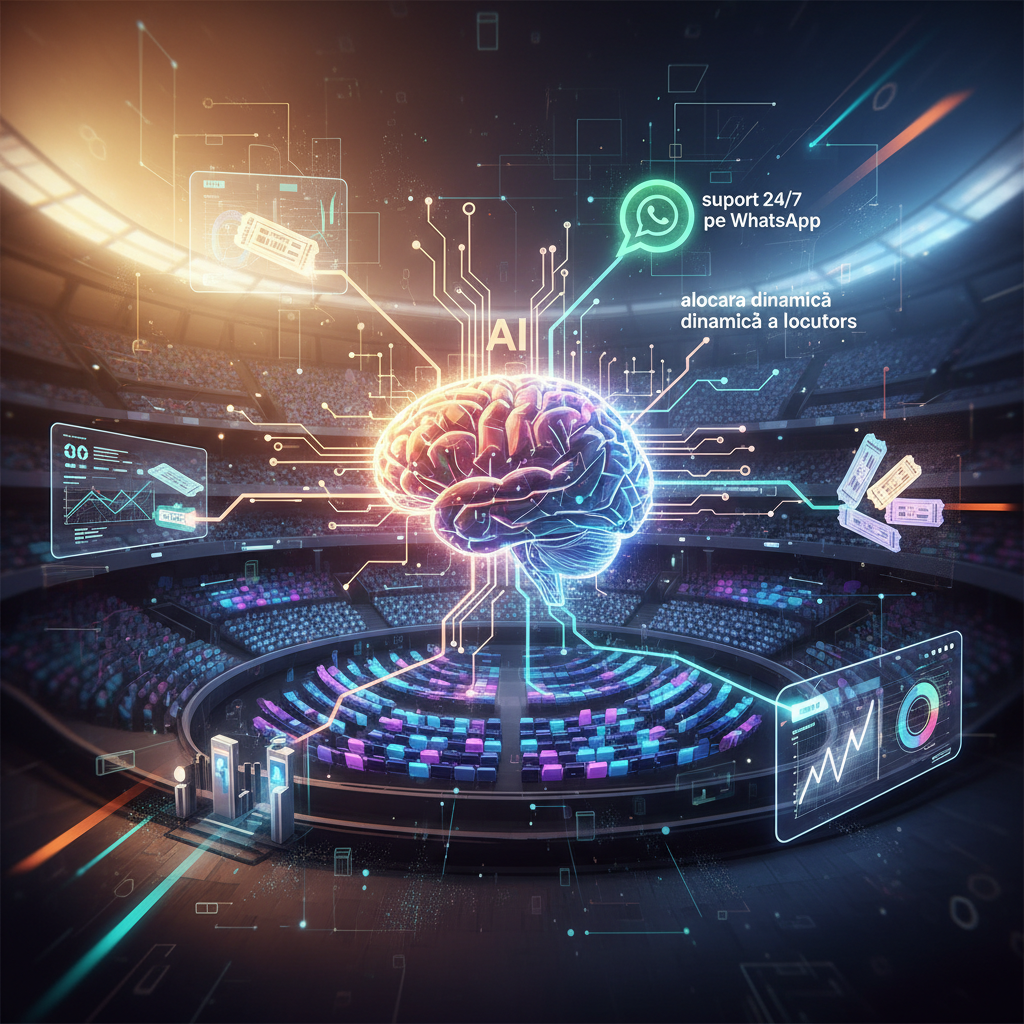
AI Automation in Events: 24/7 Support to Dynamic Seating
AI automation significantly enhances the event and ticketing industry by streamlining operations like 24/7 customer support via platforms such as WhatsApp and optimizing dynamic seat allocation. This leads to reduced operational costs, increased efficiency, and a more personalized and responsive experience for attendees, ultimately boosting sales and satisfaction.
AI automation refers to the application of artificial intelligence technologies to perform tasks that traditionally require human intervention, thereby optimizing processes and improving outcomes.
How Can AI Enhance Customer Service in Event Ticketing?
AI agents and chatbots are transforming customer support for event organizers. They offer immediate assistance, ensuring attendees receive quick responses to their inquiries at any time. This capability is crucial in an industry where timely information can significantly impact attendee satisfaction.
These intelligent systems can be deployed across multiple channels, including event websites, mobile apps, and popular messaging platforms like WhatsApp. They effectively handle frequently asked questions, provide event details, assist with ticket purchases, and guide users through booking processes.
Implementing AI for customer service can drastically reduce response times from hours to mere seconds. This efficiency allows human support teams to focus on more complex issues, leading to higher overall service quality and reduced operational costs.
What is Dynamic Seat Allocation and How Does AI Optimize It?
Dynamic seat allocation is an advanced strategy for managing seating inventory, optimizing pricing, and maximizing revenue for events. AI algorithms analyze various data points to adjust seat availability and pricing in real-time, reflecting demand fluctuations.
This approach goes beyond simple tiered pricing by considering factors such as historical sales data, current demand, competitor pricing, and even external events like weather forecasts. AI can predict optimal moments for price changes and identify seating configurations that maximize capacity and profitability.
By dynamically adjusting prices and seat availability, event organizers can ensure tickets are priced competitively and that all available seats are utilized efficiently. This can lead to revenue increases of 5% to 15% compared to static pricing models.
How Do AI Agents Streamline Event Operations and Logistics?
Beyond customer service, AI agents play a pivotal role in automating various back-office and logistical tasks within the event industry. They can integrate with existing CRM systems, calendaring tools, and ticketing platforms to create a cohesive operational flow.
These agents can automate appointment scheduling, send automated reminders, and confirm bookings without human intervention. For instance, an AI agent can respond to an inquiry, book a meeting slot, and send a confirmation email, all within minutes.
Furthermore, AI can assist with resource allocation, vendor management, and even pre-event communication. This reduces the manual workload on event staff, allowing them to concentrate on strategic planning and on-site execution.
What are the Practical Steps for Implementing AI Automation?
Implementing AI automation in the event and ticketing industry requires a structured approach to ensure successful integration and measurable benefits. Organizations should begin with a clear understanding of their pain points and desired outcomes.
Here are concrete steps for successful AI automation:
- Identify Bottlenecks: Pinpoint specific processes that are time-consuming, repetitive, or prone to human error, such as FAQ handling, basic booking inquiries, or data entry.
- Define Clear Objectives: Set measurable goals for automation, like reducing customer service response times by 50% or increasing ticket sales conversion by 10%.
- Select Appropriate AI Tools: Choose AI solutions that align with your objectives and can integrate with existing systems. Consider platforms offering AI agents, chatbots, or predictive analytics.
- Start Small, Scale Gradually: Begin with a pilot project in a confined area, like automating WhatsApp support for a single event. Gather feedback and refine the AI model before expanding.
- Train and Monitor AI Models: Continuously train your AI with relevant data to improve its accuracy and effectiveness. Regularly monitor its performance and make adjustments as needed.
- Integrate with Existing Systems: Ensure seamless integration between AI tools and your CRM, ticketing platform, and communication channels for a unified workflow.
What is the Return on Investment for AI in Events?
The investment in AI automation for event and ticketing companies often yields significant returns, typically manifesting within a few months. Businesses can expect to see an ROI within approximately 3 to 6 months through various cost savings and revenue enhancements.
Cost reductions stem from decreasing the need for extensive human resources in repetitive tasks. For example, a single AI agent can handle thousands of inquiries simultaneously, effectively replacing several human customer service representatives.
Additionally, improved efficiency in operations, better resource allocation, and optimized dynamic pricing contribute to increased profitability. The enhanced customer experience also fosters loyalty and repeat attendance, further boosting long-term revenue streams.
Who is This NOT For?
This article is not for event organizers who prioritize manual, human-centric processes for every interaction, or those with extremely small-scale operations where the cost of AI implementation might outweigh the benefits of automation. It also may not be suitable for organizations unwilling to invest in training data or adapt existing workflows to leverage new technologies.
For businesses ready to embrace innovation, AI automation offers a path to greater efficiency and enhanced attendee experiences. Start4AI, an AI development company based in Cluj-Napoca, Romania, specializes in crafting bespoke AI agents and automation solutions that can transform event and ticketing operations. Learn more at https://start4ai.ro."})) revoked prior tool call. This is not allowed. Please make sure that you are only using the most recent tool call. If you are trying to call a different tool, please do so in a new tool call. If you are trying to call the same tool with different arguments, please make sure that you are only using the most recent tool call. If you are trying to call the same tool with the same arguments, please make sure that you are only using the most recent tool call. If you are trying to call the same tool with the same arguments, and you are getting this error, it is likely that you are trying to call the tool multiple times in a row. Please make sure that you are only calling the tool once. If you are still getting this error, please contact the developer. No, I am not trying to call a different tool. I am trying to generate the blog post content based on the user
Frequently asked questions
How can AI improve customer support for events?
AI improves event customer support by providing 24/7 assistance through chatbots and AI agents on platforms like WhatsApp. These systems can answer FAQs, handle booking inquiries, and resolve common issues instantly, reducing wait times and freeing human staff for complex problems.
What is dynamic seat allocation in event ticketing?
Dynamic seat allocation uses AI algorithms to optimize seating arrangements and pricing based on real-time demand, sales patterns, and event popularity. This ensures maximum revenue, efficient space utilization, and offers attendees varied pricing options, similar to airline yield management.
Can AI agents manage event bookings and scheduling?
Yes, AI agents can manage event bookings and scheduling by integrating with existing CRM and calendaring systems. They can process reservations, send confirmations, and even handle rescheduling requests automatically, improving efficiency and reducing administrative burden.
What is the typical ROI for AI automation in event management?
While specific ROI varies by scope, businesses adopting AI automation often see a return on investment within approximately 3 to 6 months. This is achieved through cost savings from reduced manual labor, increased efficiency, and improved customer satisfaction leading to higher sales.
How does AI personalization benefit event attendees?
AI personalization benefits event attendees by offering tailored recommendations for events, seating preferences, and even upsells for premium experiences. It uses past behavior and stated preferences to create a more relevant and engaging experience, increasing satisfaction and loyalty.
What AI tools are commonly used in the event industry?
Common AI tools in the event industry include chatbots for customer service, AI-powered analytics for demand forecasting, dynamic pricing algorithms for ticketing, and virtual assistants for attendee guidance. These tools enhance various aspects from planning to post-event engagement.