
AI for Lead Generation in Passenger Transport
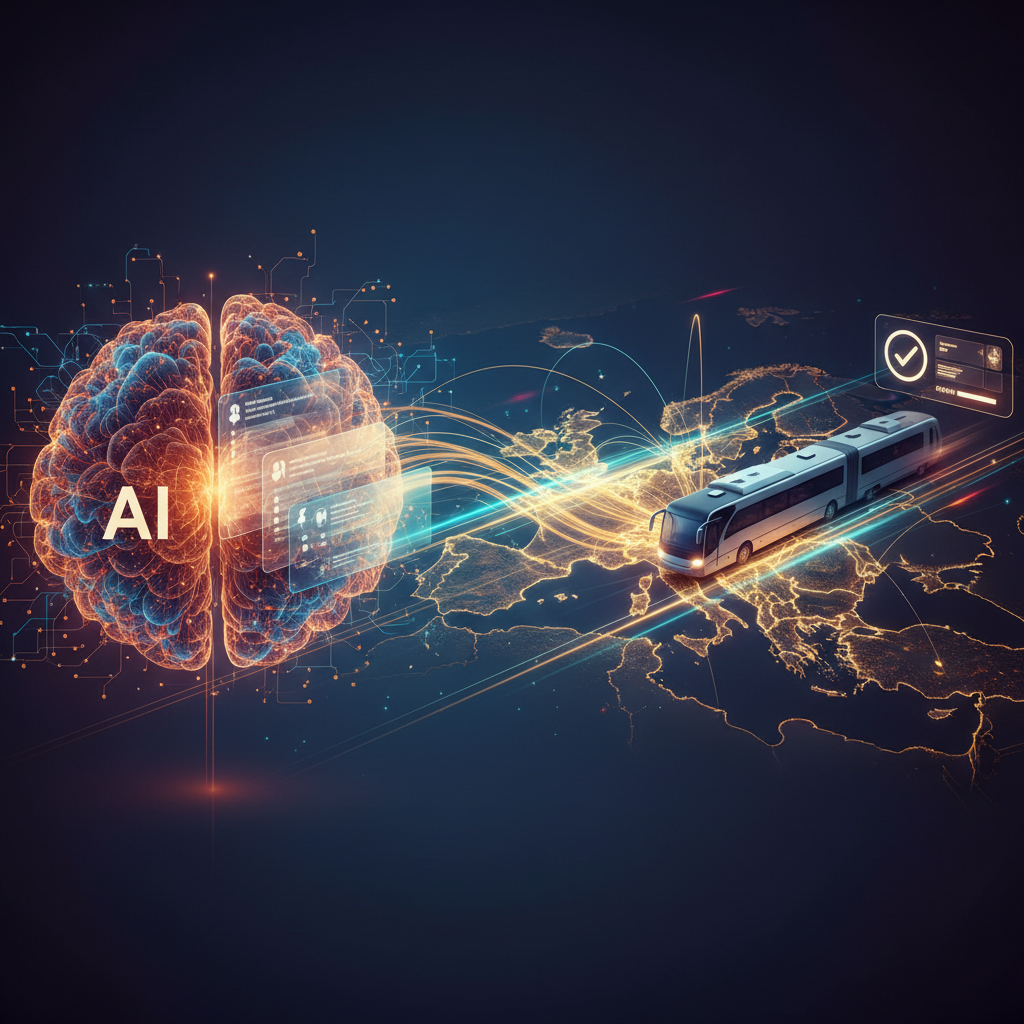
AI is transforming lead generation in the international passenger transport industry by automating the qualification and nurturing of prospective customers. From initial inquiries on social media to final ticket booking in CRM systems, AI agents provide instant responses, personalize offers, and ensure a seamless, efficient conversion process, significantly boosting sales and customer satisfaction for transport providers.
AI for lead generation is the application of artificial intelligence technologies to identify, attract, qualify, and nurture potential customers, ultimately guiding them towards making a purchase.
How does AI streamline the lead journey from social media to CRM?
The lead journey in international passenger transport often begins with a casual inquiry on platforms like Facebook, WhatsApp, or other social media channels. Traditionally, these interactions required human agents to manually sift through messages, answer repetitive questions, and then transfer relevant details to a CRM system. This process was time-consuming, prone to error, and often resulted in missed opportunities.
AI-powered chatbots and virtual assistants can now intercept these initial inquiries. They provide immediate, accurate responses to common questions about routes, schedules, fares, and baggage policies. These AI agents are designed to engage users in natural language conversations, making the interaction feel personalized and efficient.
As the conversation progresses, the AI can ask qualifying questions to gather essential information such as travel dates, destination, number of passengers, and specific preferences. This data is then automatically captured and structured, creating a new lead entry directly within the company's CRM system. This automation ensures that no lead is lost and that all relevant details are immediately available for further action.
What are the tangible benefits of AI in passenger transport lead generation?
The integration of AI into lead generation processes offers several significant advantages for international passenger transport companies. One primary benefit is the dramatic reduction in response times. AI agents can operate 24/7, providing instant replies to inquiries regardless of time zones or agent availability, which is crucial for a global industry.
Another key advantage is increased lead qualification efficiency. AI can quickly assess the intent and needs of a prospect, scoring leads based on predefined criteria. This allows human sales teams to focus their efforts on high-quality, pre-qualified leads, significantly improving conversion rates. Research indicates that 75% of travelers plan to use AI for trip planning, highlighting a strong consumer preference for AI-driven assistance.
AI also enables hyper-personalization at scale. By analyzing past interactions and gathered data, AI can tailor offers, suggest specific routes, or recommend additional services relevant to each individual traveler. This personalized approach fosters stronger customer engagement and trust, crucial in a competitive market. Furthermore, automating routine tasks frees up human agents to handle more complex cases, improving overall operational efficiency.
How much does an AI lead generation system cost for transport businesses?
The investment required for an AI lead generation system in the international passenger transport industry varies widely based on scope, customization, and integration needs. A basic AI chatbot integrated with social media platforms might start from around $5,000 to $15,000 for initial setup, with ongoing subscription costs ranging from $100 to $500 per month.
More comprehensive solutions, involving advanced natural language processing (NLP), deep CRM integration, predictive analytics, and custom AI agent development, can range from $25,000 to over $100,000 for implementation. These systems often include ongoing maintenance, updates, and dedicated support, which can add 15-25% to the annual cost. Companies should consider the potential return on investment (ROI) from increased conversions and reduced operational costs when evaluating these figures.
It is important to note that a significant portion of this cost is driven by the complexity of integrating with existing legacy systems and the level of bespoke AI model training required to understand industry-specific nuances and customer inquiries. An iterative
Frequently asked questions
How can AI improve lead generation in passenger transport?
AI enhances lead generation by automating initial customer interactions, qualifying leads based on specific criteria, and personalizing communication. It helps in responding instantly to inquiries, capturing data effectively, and guiding potential passengers through the booking process, ensuring higher conversion rates and optimizing marketing spend for transport companies.
What is the role of AI in converting social media inquiries to bookings?
AI acts as a virtual assistant, engaging with potential customers on platforms like Facebook Messenger or Instagram DMs. It answers common questions, gathers travel details, and even suggests suitable routes or fares. This seamless interaction nurtures leads, directing them towards booking systems or human agents for final conversion, reducing manual effort.
What are the benefits of integrating AI with CRM for transport companies?
Integrating AI with CRM systems centralizes customer data, automates follow-ups, and provides predictive insights. AI can update lead statuses, score prospects, and trigger personalized marketing campaigns based on past interactions, ensuring that sales teams receive pre-qualified leads and can focus on closing deals efficiently.
How much does implementing AI for lead generation typically cost?
The cost of implementing AI for lead generation in passenger transport varies significantly, typically ranging from $5,000 for basic chatbot integrations to over $50,000 for comprehensive, custom AI platforms with CRM integration and advanced analytics. Factors like complexity, customization, and ongoing maintenance influence the final investment.