Fueling Efficiency: How AI-Powered Dynamic Routing is Revamping Logistics and Slashing Fuel Costs
The Road Ahead: AI's Impact on Transport and Distribution
In the dynamic world of transport and distribution, every mile driven and every drop of fuel consumed directly impacts a company's bottom line and environmental footprint. The relentless march of technological innovation, particularly in Artificial Intelligence (AI), is carving out new pathways for efficiency, promising to transform how goods move from origin to destination. At the forefront of this revolution are AI-powered dynamic routing algorithms, a sophisticated approach to logistics that not only promises to slash fuel consumption but also redefines operational agility.
The Last Mile Challenge: A Costly Conundrum
The "last mile" – the final leg of a product's journey from a distribution center to the customer's doorstep – has long been recognized as the most expensive and complex part of the supply chain. It's where delays, missed deliveries, and inefficient routes can quickly erode profitability and damage customer satisfaction. Traditional, static routing methods, once sufficient, are now buckling under the weight of heightened customer expectations for same-day or next-day delivery, precise delivery windows, and real-time updates. This complexity is not just an operational headache; it's a strategic challenge that directly impacts brand loyalty.
Modern route planning software, supercharged with AI, goes far beyond simple navigation. It is designed to intricately address the core pain points of last-mile delivery, factoring in a multitude of variables that were once impossible to manage manually or with basic systems. These include dynamic traffic conditions, weather patterns, driver availability, vehicle capacity, and constantly changing order volumes. The goal is clear: optimize every aspect of the delivery process to enhance efficiency and reduce costs.
The Power of Dynamic Routing: Intelligence on the Move
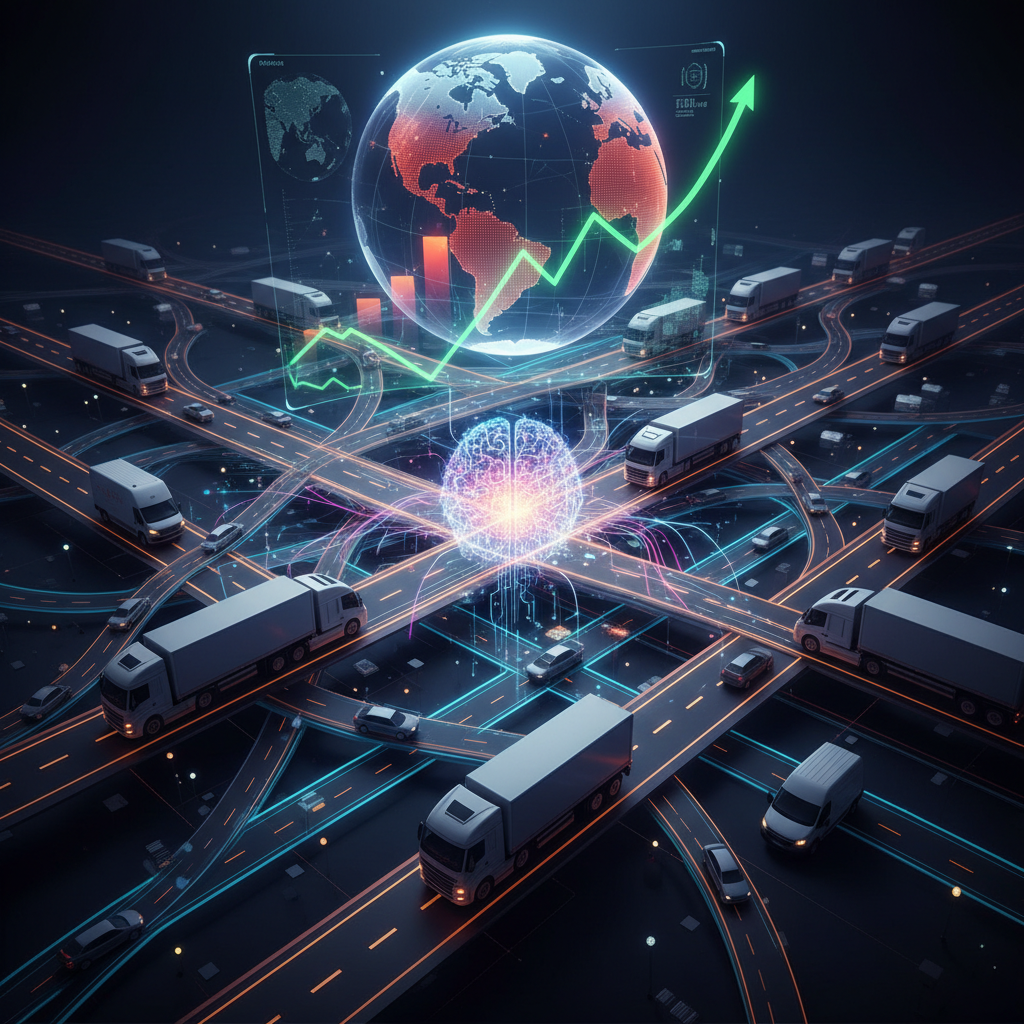
The real game-changer lies in AI's ability to enable dynamic routing. Unlike static routes planned days in advance, dynamic routing algorithms can process real-time data to make instantaneous adjustments. Imagine a scenario where a sudden traffic jam or an unexpected road closure would typically cause significant delays and fuel waste. With AI-driven systems, the route is immediately recalculated, finding the most efficient alternative path, oftentimes before the driver is even aware of the original disruption.
This continuous optimization is not limited to avoiding obstacles. It also extends to optimizing delivery sequences, consolidating orders, and ensuring optimal vehicle load utilization. By minimizing empty miles and maximizing the number of deliveries per route, AI routing directly contributes to significant reductions in fuel consumption. This isn't just about saving money; it's also about reducing carbon emissions, aligning with growing corporate social responsibility goals.
Beyond Fuel: A Cascade of Benefits
While fuel efficiency is a major driver, the benefits of AI-powered dynamic routing extend across the entire logistics operation:
- Enhanced Customer Satisfaction: By adhering to tighter delivery windows and providing real-time updates, companies can significantly improve the customer experience. Fewer missed deliveries and more transparent communication build trust and loyalty.
- Improved Driver Productivity: Optimized routes reduce driving time, minimizes frustration from unexpected detours, and allows drivers to complete more deliveries within their shifts, boosting overall productivity.
- Operational Resilience: The ability to adapt to real-time disruptions means that logistics operations become more robust and less susceptible to external factors. This resilience is invaluable in a world where disruptions are increasingly common.
- Better Capacity Utilization: Advanced algorithms ensure that vehicles are loaded optimally, reducing the number of vehicles required to move the same volume of goods, which in turn saves on maintenance, insurance, and labor costs.
- Data-Driven Decision Making: AI routing platforms collect and analyze vast amounts of operational data, providing invaluable insights into performance, bottlenecks, and areas for further optimization. This data empowers managers to make more informed strategic decisions.
Real-World Impact and the Future Landscape
Companies across various sectors are already leveraging AI routing to revolutionize their logistics. From courier services optimizing last-mile deliveries with multiple pickups and drops, to intercity haulers streamlining long-haul transport with real-time tracking and driver behavior analysis, the applications are diverse and impactful. Solutions like LogiNext's various platforms demonstrate the breadth of AI's capabilities, offering features from live tracking and schedule planning to delivery validation and on-demand order sequencing.
The future of transport and distribution will undoubtedly be shaped by further advancements in AI. As algorithms become more sophisticated and data integration more seamless, we can expect even greater levels of automation and predictive capabilities. This will lead to further reductions in fuel consumption, enhanced operational fluidity, and a more sustainable and cost-effective logistics ecosystem.
The integration of AI into route planning is not merely an upgrade; it's a fundamental shift in how the industry operates. For businesses looking to remain competitive, reduce costs, and meet the evolving demands of their customers, embracing AI-powered dynamic routing is no longer an option, but a strategic imperative.
Sources
- AI Route Planning: Solving Last-Mile Delivery Challenges
- AI Routing in Action: 6 Logistics Companies Leading the Way
- AI in Logistics & Supply Chain: Technologies, Examples, Future Trend
Frequently asked questions
How does AI-powered dynamic routing save fuel?
AI-powered dynamic routing algorithms continuously optimize delivery paths by factoring in real-time data like traffic and weather. This minimizes detours, empty miles, and optimizes delivery sequences, directly leading to significant reductions in fuel consumption and carbon emissions.
What is dynamic routing in logistics?
Dynamic routing in logistics refers to the use of AI algorithms to make real-time adjustments to delivery routes based on live conditions. Unlike static routes, it adapts to unforeseen disruptions like traffic jams or road closures, ensuring the most efficient path is always taken.
What are the benefits of AI in last-mile delivery?
AI in last-mile delivery addresses the most complex part of the supply chain by optimizing routes, consolidating orders, and adapting to real-time changes. This leads to reduced fuel costs, enhanced customer satisfaction, improved driver productivity, and greater operational resilience.
How does dynamic routing improve customer satisfaction?
Dynamic routing improves customer satisfaction by enabling adherence to tighter delivery windows and providing real-time updates. This reduces missed deliveries and offers transparent communication, building trust and loyalty among customers.
Beyond fuel, what other benefits does AI dynamic routing offer?
Beyond fuel savings, AI-powered dynamic routing enhances customer satisfaction, improves driver productivity, builds operational resilience, ensures better vehicle capacity utilization, and provides data-driven insights for strategic decision-making in logistics operations.
Can AI dynamic routing adapt to unexpected events?
Yes, AI dynamic routing is designed to adapt to unexpected events. It processes real-time data to immediately recalculate routes in response to disruptions such as sudden traffic jams or unexpected road closures, ensuring continuous optimization of delivery paths.