Unlocking Efficiency: AI-Powered Inventory and Supplier Management for Romanian Businesses
The landscape of business in Romania is on the cusp of a significant transformation, driven by the burgeoning potential of Artificial Intelligence. While currently ranking last in the EU for AI adoption, with only 3.07% of companies utilizing this technology, a growing number of entrepreneurs are recognizing that AI is no longer a luxury but a strategic imperative. The primary hurdle isn't a lack of access to technology, but rather a lack of clarity on how to integrate it effectively, especially in critical areas like inventory and supplier management.
The Shifting Paradigm: From Curiosity to Concrete Solutions
For most Romanian businesses, the conversation around AI has evolved beyond mere fascination. The question isn't "if" AI will reshape operations, but "when" and "how." Silviu Niculeci, an AI Operations Consultant at Arggo, a company with over 500 digitalization projects, highlights this shift. He observes that while AI capabilities have advanced dramatically, enabling cost-effective integration through accessible cloud services, the real barrier often lies in clearly defining the problem AI is meant to solve.
Niculeci dispels two common myths that hinder AI adoption: the "myth of magic," where AI is expected to be a universal panacea, and the "myth of impossibility," which suggests AI is only for tech giants. The truth, he argues, lies in between: AI is a powerful tool when applied to well-defined processes, supported by quality data, and used responsibly. Success, in this context, is measured by problems solved, not by the sheer number of models deployed.
Why Inventory and Supplier Management are Prime for AI Revolution
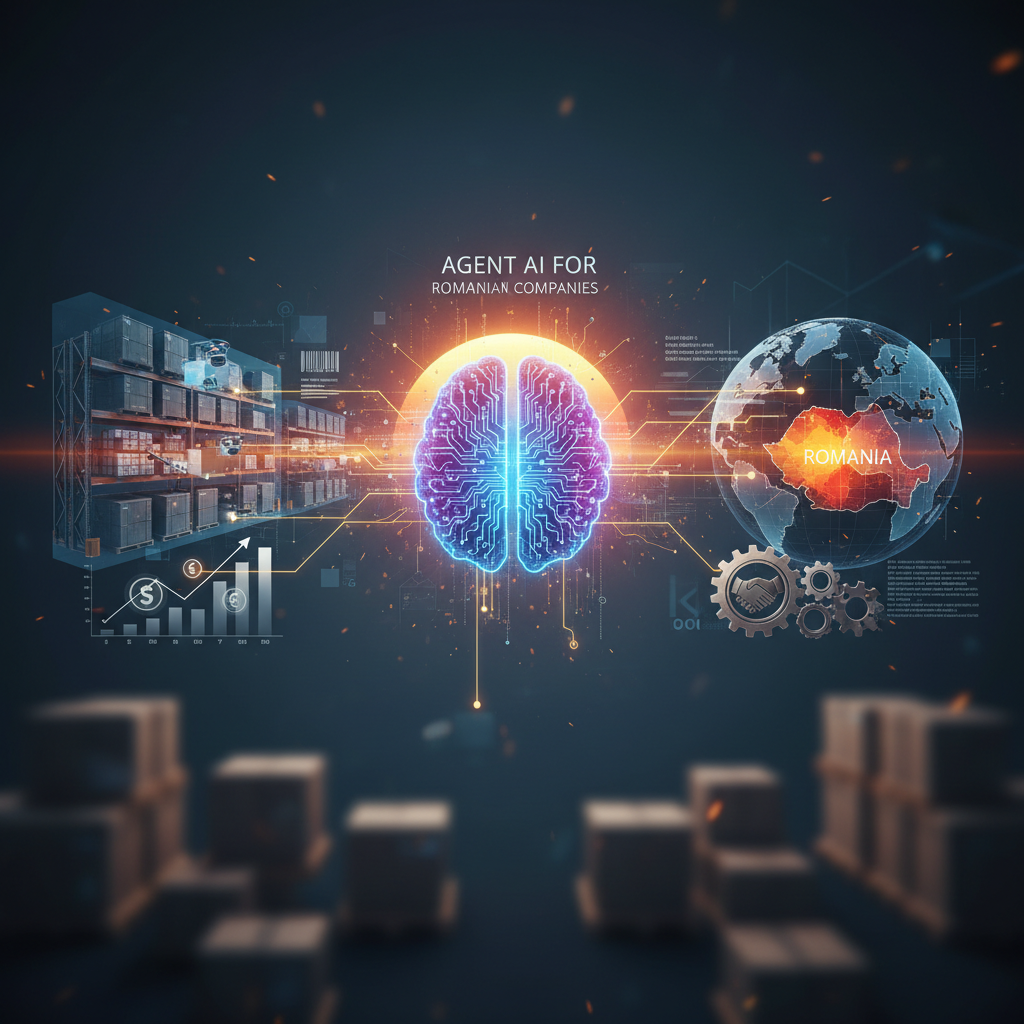
Inventory and supplier management are areas where AI can deliver immediate and tangible benefits. These processes are often complex, involving numerous variables, unpredictable demands, and critical relationships. Traditional methods, often manual or reliant on rudimentary software, can lead to inefficiencies, stockouts, overstocking, and strained supplier relationships. This is where AI agents step in.
1. Optimized Inventory Management:
AI agents can analyze vast datasets, including historical sales data, seasonal trends, external factors (like economic indicators or even weather patterns), and real-time market fluctuations, to predict demand with remarkable accuracy. This predictive capability translates into optimized stock levels, minimizing both the risk of stockouts and the costs associated with excess inventory. Imagine an AI learning from past purchasing patterns and automatically suggesting optimal order quantities for thousands of SKUs, leading to significant cost savings and improved cash flow.
Furthermore, AI can automate routine tasks associated with inventory. This includes monitoring stock levels, triggering reorder alerts, identifying slow-moving or obsolete items, and even suggesting dynamic pricing strategies based on inventory levels and demand elasticity. This frees up human employees to focus on more strategic tasks, such as negotiating better supplier deals or developing new product lines.
2. Enhanced Supplier Relationship Management:
Managing supplier relationships is crucial for a smooth supply chain. AI can significantly enhance this aspect by providing data-driven insights and automating communication. AI agents can monitor supplier performance metrics such as delivery times, quality control, and pricing accuracy, flagging potential issues before they escalate. This objective, continuous monitoring allows businesses to identify high-performing suppliers and address underperforming ones proactively.
Beyond performance monitoring, AI can streamline communication with suppliers. Imagine an AI agent automatically compiling purchase orders, sending out requests for quotes (RFQs), comparing bids, and even handling routine follow-ups. This not only reduces administrative burden but also ensures consistency and speed in interactions, fostering stronger, more efficient partnerships. Predictive analytics can also help identify potential supply chain disruptions from specific suppliers, allowing businesses to diversify or seek alternative sources proactively.
Integrating AI: A Practical Roadmap for Romanian Businesses
The journey to AI integration doesn't have to be daunting. Here's a practical roadmap:
- Identify Clear Problem Statements: Before looking for AI solutions, pinpoint specific pain points in inventory and supplier management that, if solved, would yield significant business value. This could be reducing inventory holding costs by X% or improving supplier delivery times by Y days.
- Start Small, Scale Gradually: Begin with pilot projects that address a single, well-defined problem. For example, implement an AI system to optimize inventory for a specific product category first, then expand once successful.
- Emphasize Data Quality: AI models are only as good as the data they are trained on. Invest in data cleansing, standardization, and collection processes to ensure high-quality inputs.
- Choose the Right Partner: Seek out implementation partners who understand your business needs and can tailor AI solutions to your specific context, rather than simply selling off-the-shelf licenses. Companies like those listed among the Top 10+ Supply Chain AI Automation Companies in Romania, such as Hyperlink InfoSystem or 648 Group, offer specialized expertise in this domain.
- Foster Internal Expertise: While external partners are invaluable, building some in-house understanding of AI principles and capabilities will empower businesses to make informed decisions and manage AI initiatives effectively.
The Future is Now: Seizing the AI Advantage
Romania's lower AI adoption rate presents a unique opportunity. Businesses that embrace AI now can gain a significant competitive edge, leapfrogging competitors who remain hesitant. The technology is accessible, the benefits are clear, and the support ecosystem is growing. By focusing on practical applications for inventory and supplier management, Romanian entrepreneurs can move from curiosity to concrete results, automating routine tasks, optimizing resources, and building more resilient and efficient supply chains for the future.
Sources
- "From curiosity to results: how Romanian entrepreneurs can integrate artificial intelligence into business operations without failing along the way" - Arggo.com
- "Top 10+ Supply Chain AI Automation Companies in Romania 2026" - TopSoftwareCompanies.co
Frequently asked questions
How can AI benefit inventory management for Romanian businesses?
AI agents can analyze historical data, market trends, and external factors to predict demand accurately. This optimizes stock levels, minimizes stockouts and excess inventory costs, and automates tasks like monitoring stock and triggering reorder alerts, freeing human resources for strategic tasks.
What role does AI play in enhancing supplier relationships?
AI can monitor supplier performance metrics like delivery times and quality, flagging issues proactively. It also streamlines communication by automating tasks like compiling purchase orders and sending RFQs, reducing administrative burden and fostering more efficient partnerships with Romanian suppliers.
Is AI adoption common among Romanian companies?
Currently, Romania ranks last in the EU for AI adoption, with only 3.07% of companies utilizing this technology. However, there's a growing recognition that AI is a strategic imperative for competitive advantage, moving beyond initial hesitation.
What are common myths about AI adoption in business?
Two common myths are the "myth of magic," expecting AI to be a universal solution, and the "myth of impossibility," believing AI is only for tech giants. The reality is that AI is a powerful tool best applied to well-defined problems with quality data.
What is a practical first step for Romanian businesses integrating AI?
A practical first step is to identify clear problem statements within inventory or supplier management. Pinpoint specific pain points that, if solved by AI, would yield significant business value, such as reducing inventory holding costs or improving delivery times.
How can businesses ensure successful AI integration?
Successful AI integration requires starting with pilot projects, emphasizing data quality through cleansing and standardization, choosing the right implementation partners who understand business needs, and fostering internal expertise to manage AI initiatives effectively.